There was a time, not so long ago, when a stone chip in a windscreen or a clipped wing mirror was a quick, fifty-quid fix. You’d swap the glass, tighten a bolt, and have the customer back on the road before the kettle had even boiled.
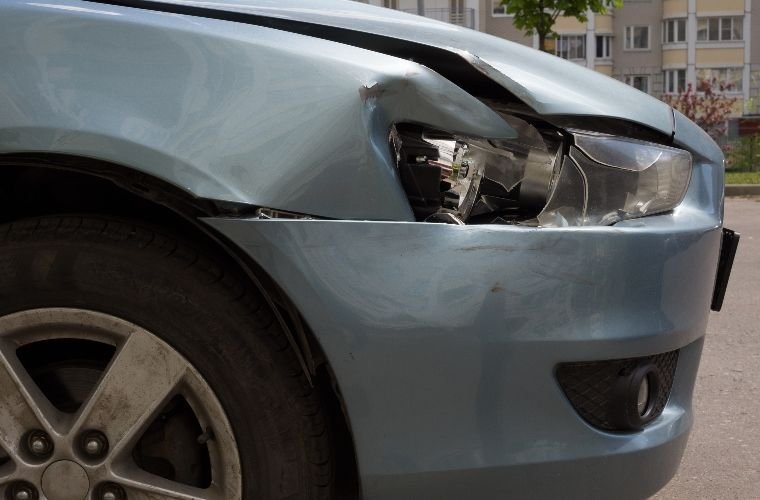
But as any in the industry today will tell you, those days are vanishing fast. We’re now living in the era of the “£2,500 minor bump”. What looks like a simple scuff on a front bumper to a customer is, for independents, a complex web of radar units, ultrasonic sensors, and high-def cameras.
This isn’t just about “fancier cars”. It’s a fundamental shift in how garages have to run their businesses. From economic “bill shock” for your customers to a massive skills gap in the workshop, the road ahead is looking a lot more…digital.
We spoke to Iain Molloy from A1 ADAS on the subject:
“ADAS calibration is often talked about as a ‘new’ cost in vehicle repair, but the reality is that it’s now an integral part of putting a vehicle back on the road safely. These systems aren’t optional add-ons; they’re embedded into braking, steering, lane control and collision avoidance. If a vehicle has had bodywork repairs, wheel alignment changes or a windscreen replacement, recalibration isn’t a recommendation – it’s a requirement. Avoiding that conversation with the customer because it feels awkward doesn’t remove the responsibility; it simply transfers the risk.”
The reality of the “ADAS Tax”
The reason a car park scrape now costs as much as a used hatchback comes down to one thing: Advanced Driver-Assistance Systems (ADAS). These sensors “live” in the most vulnerable parts of the car, like grilles, badges, and mirrors.
When these parts are touched, the car doesn’t just need a repair; it needs a recalibration. A radar unit that’s off by just one degree can be the difference between an Emergency Braking system saving a life or failing completely at 70mph.
Take a look at how the costs have spiralled for a typical independent garage:
| Damaged Component | Old School Fix | Modern ADAS Fix | Why the jump? |
| Windscreen | £250 – £400 | £800 – £1,500+ | Camera recalibration & acoustic glass. |
| Front Bumper | £300 – £600 | £1,200 – £2,500+ | Radar units and sensor alignment. |
| Wing Mirror | £150 – £350 | £600 – £1,200+ | 360-degree cameras and blind-spot tech. |
Bridging the Skills Gap
And here’s the wake-up call: According to the IMI, only about 3% of UK technicians are currently qualified to work on ADAS. That’s roughly 7,500 people for a country with millions of high-tech cars on the road.
Many garages are still outsourcing this work to main dealers, sending £300 a pop straight out of your own pocket. But with the new SERMI scheme finally giving independents a “level playing field” to access manufacturer data, the door is open for you to take that work back.
Iain Molloy at A1 ADAS says: “Cost is understandably part of the discussion, but it needs to be put into context. Depending on the vehicle and the systems involved, ADAS calibration typically ranges from around £180 to £300.
In most cases, it’s easily accessible via mobile ADAS technicians operating UK-wide, often same day or within 24 hours, meaning it doesn’t have to delay the repair or mean sending the vehicle back to a main dealer. Repairers who explain why calibration matters – that it’s about restoring safety systems to manufacturer specification – tend to find customers are far more accepting. Transparency builds trust, and in an area as safety-critical as ADAS, doing the job properly is non-negotiable.”
The Bottom Line (literally) is that if you’re handling 20 cars a week and investing in your own ADAS kit, you could be looking at an extra six figures in annual revenue. The “math doesn’t lie”, bringing this tech in-house isn’t just a luxury anymore; it’s how independent garages can stay competitive.
Transparency is your new best friend
You know the look on a customer’s face when you’re explaining why a bumper repair costs £2,000. It’s “the garage black hole”, that feeling that they’re being taken for a ride.
The fix? Digital transparency. Using video health checks (like CitNOW) or AI diagnostic tools allows the customer to see exactly what you’re seeing. When they see the cracked radar bracket on their phone screen, the “bill shock” turns into an understanding of safety.
Looking toward 2030
By the end of this decade, the aftermarket will be dealing with Software-Defined Vehicles. Cars will update overnight like a smartphone, and “predictive maintenance” will tell garages a part is going to fail before the customer even hears a rattle.
The independents that thrive won’t just be the ones with the best spanners, but the ones with the best culture of learning. By investing in IMI training, getting the right calibration kit, and being 100% honest with customers through video and tech, remember, you’re doing more than just fixing cars; you’re remaining the trusted pillars of our communities in what’s fast becoming a high-tech world!