
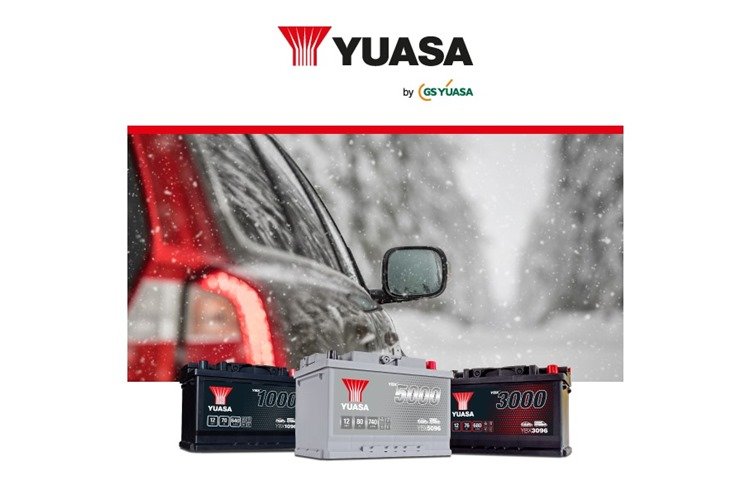
GS Yuasa has issued a technical reminder regarding the impact of winter conditions on vehicle batteries. Lower overnight temperatures reduce the available power within a battery, requiring it to operate at peak output when its chemical efficiency is at its lowest.
According to the manufacturer, battery failures often appear to occur without prior warning. A battery that functions adequately in milder conditions can reach its operational limit immediately following a temperature drop.
Winter driving conditions further exacerbate these issues. The combination of short journeys and stop-start driving, alongside the high electrical demand from heaters, heated screens, and lighting, places additional load on the system. These factors make it more difficult for the battery to recover its charge during a journey.
Yuasa recommends that owners of vehicles with batteries several years old take preventative action. A professional battery health check at a local workshop can identify a struggling battery before a total failure occurs.
The company stated: “Cold starts put your battery under the most strain. Overnight low temperatures reduce available power, and your battery has to work hardest first thing in the morning – often when it’s already weakened.”
They further noted: “Short journeys, stop-start driving, heaters, heated screens and lights all add extra load during winter – making it even harder for your battery to recover.”