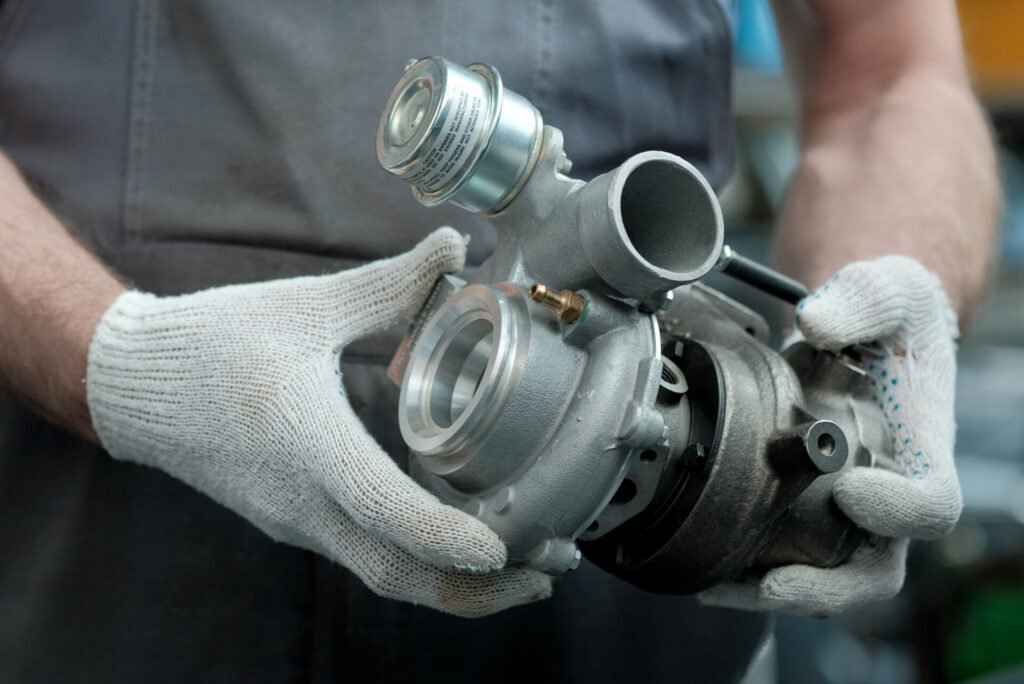
95 percent of turbo failures are caused by issues, other than the turbo, so it’s important to determine why it failed, and fix it, before a new one is fitted. Here, leading remanufacturer, Carwood, gives expert advice on one of the most common causes of turbo failure – oil contamination – to help avoid unnecessary returns, time and money.
What is oil contamination?
With tolerances measured in microns, and operating speeds of over 300,000 revs per minute, today’s modern turbochargers rely on a constant supply of clean, high-quality oil. Unfortunately, dirt, fuel, water and combustion residues can easily contaminate the oil and cause premature wear to key components, the turbocharger, and worse case, the engine.
What causes oil contamination?
- A damaged, blocked or poor-quality oil filter and/or filter bypass valve
- A build up of carbon in either the engine and/or oil supply lines
- Degraded engine oil due to excessive temperatures or extended service intervals
- Internal engine leaks causing water, fuel or coolant to mix with and dilute the oil
- Dirt or debris entering the system during servicing
- Metallic shavings or swarf deposits from engine wear, propagating debris throughout the system
- Other foreign matter such as dust and dirt entering through the air intake system
What are the signs of oil contamination?
Symptoms to look out for include:
- Check engine light illuminated
- Loss in vehicle power
- Grooves/scoring to journal bearing, journal bearing diameters of shaft, wheel and thrust components
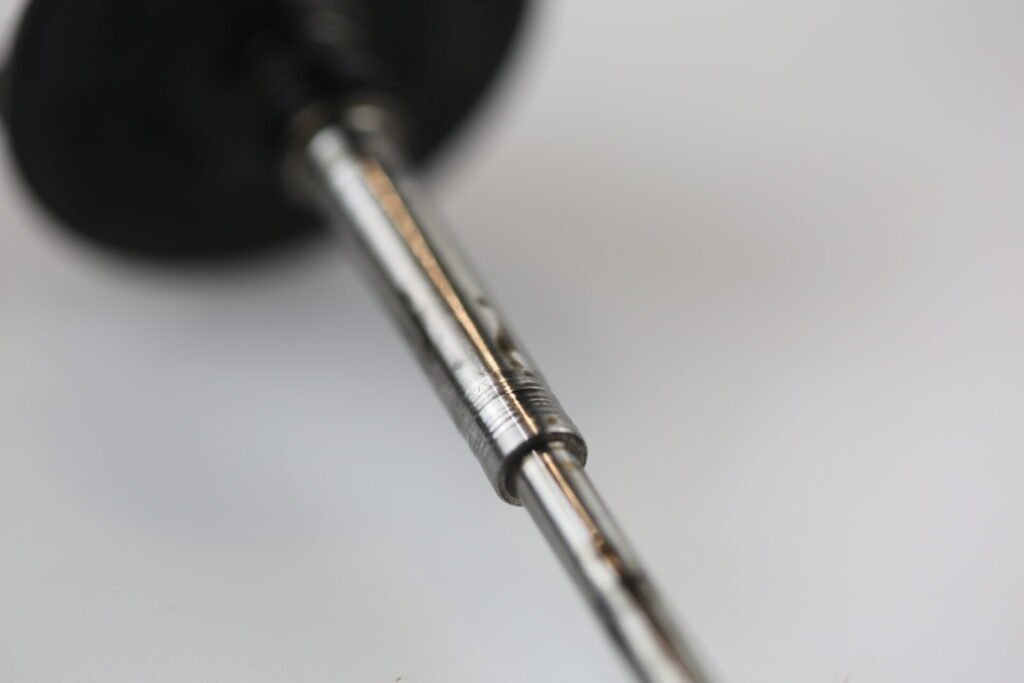
Image shows scoring on shaft
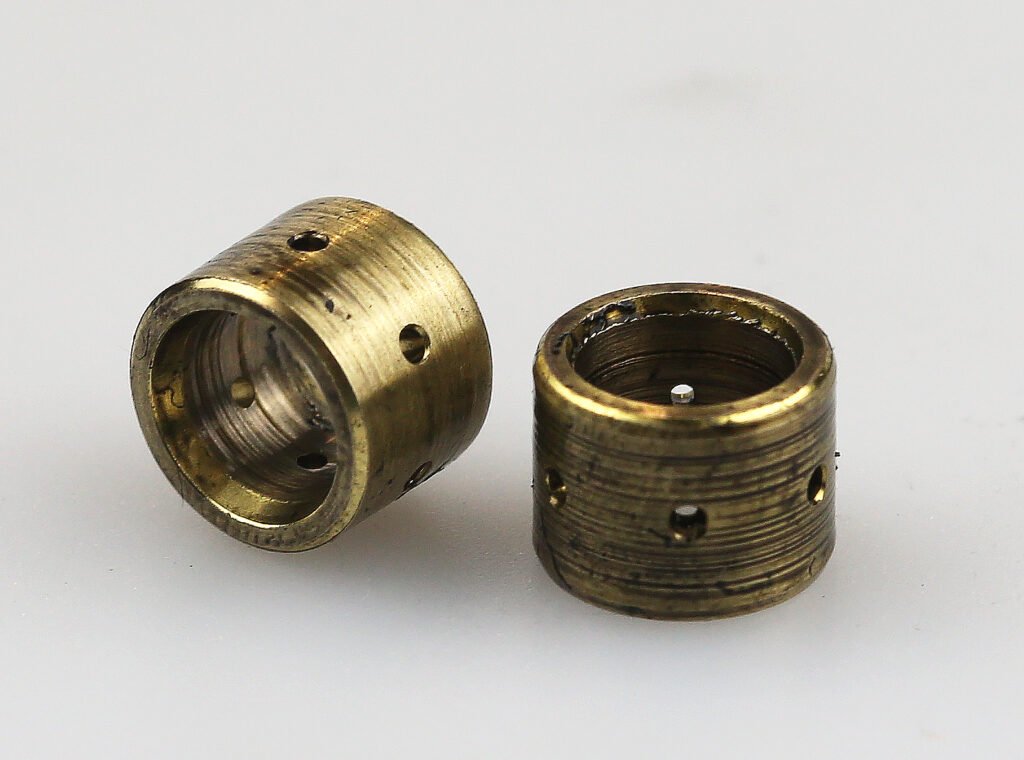
Image shows coring to bearings.
- Internal damage to the shaft and bearing
- Wear to oil flinger/flinger grooves
- Excessive wear or damage to piston rings causing oil to enter the turbine side
- Turbine and/or compressor wheel coming into contact with the housing bore, due to excessive play in the shaft from worn bushings/bearings
- Blocked internal oil galleries
- Smell of fuel in the oil
- Particles in the oil
How to prevent oil contamination
The risk of oil contamination can be mitigated by following some simple rules:
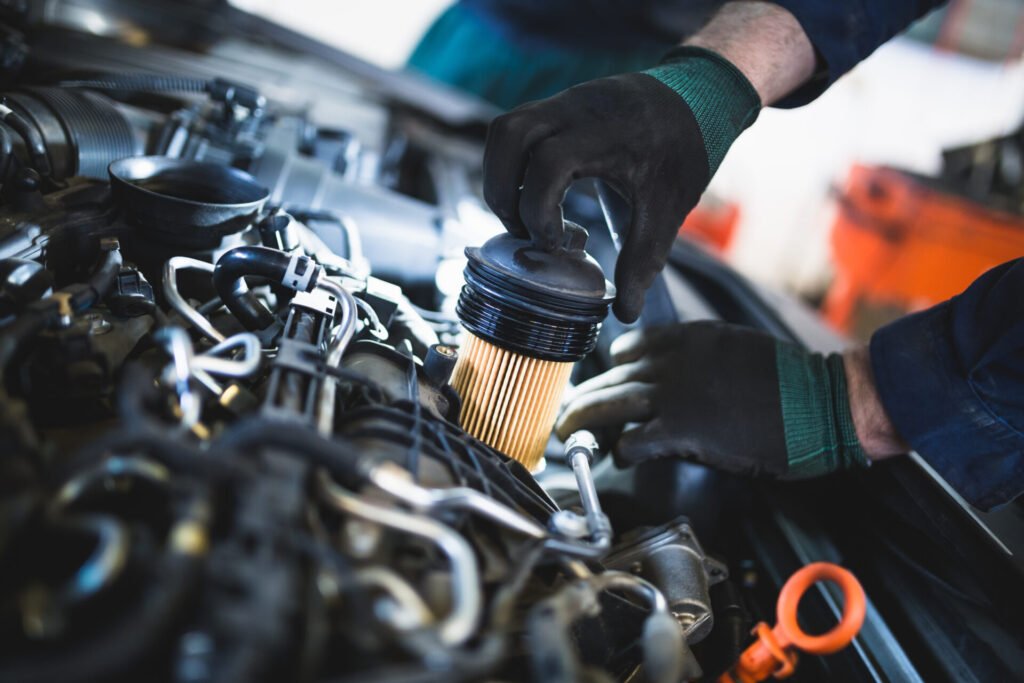
- Fit new, OE-quality oil filters, at recommended intervals, and when refitting a replacement turbo
- Flush and change the engine oil with the correct grade and quantity of oil, as per VM guidelines
- Fit new in-line micro filters and oil feed and return pipes
- Check the entire oil supply system during every service, and clean or replace components as needed
- Only ever use OE-quality fitting accessories – inferior-quality gaskets and seals can easily break up
- Cap components and pipes etc to avoid accidental contamination
- Never use liquid sealant as can harden and break up when exposed to heat
- Check the engine for signs of wear, including swarf deposits
How to resolve oil contamination
If an oil contamination-related failure is confirmed, remedial actions should include:
- Conduct an oil system flush following VM guidelines, to remove all traces of contaminated oil
- Fill with the correct grade and quantity of oil
- Fit new OE-quality oil filters, gaskets, oil feed and return pipes
- Thoroughly clean the entire oil supply and return system, especially in higher mileage vehicles – this may require the removal of the sump, oil pump and internal oil feed and return lines – replace components where required
- When replacing the turbo, perform an oil pressure test to identify any issues in the oil supply and return system
Remember to always diagnose and fix what caused the original unit to fail, before fitting a new turbo. Whilst it may add a few £s to the bill, your customer will thank you in the long run.
For more best-practice advice visit Carwood’s technical resource library at carwood.com/resource_library