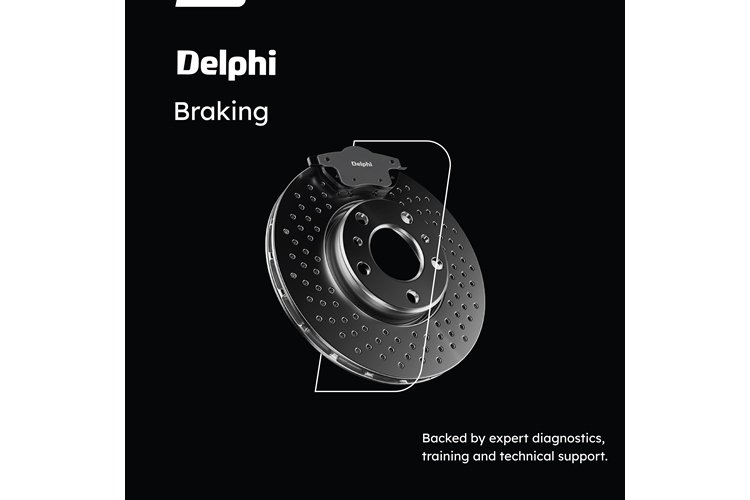
The transition from winter to spring is seeing UK workshops manage the impact of freeze-thaw cycles and pothole damage on vehicle braking systems. Repeated impacts and winter corrosion often lead to increased noise, vibration, and inconsistent performance.
This seasonal shift coincides with a significant increase in vehicle inspections. According to GIPA data, over 3.3 million MOTs are due to expire in March 2026, an 8.1% increase compared to March 2025. Braking components remain among the most frequently inspected safety-critical items during this period.
Stopping distances are determined by more than just tyre tread; the quality of brake pad material, heat management, and friction stability are essential factors. While some components meet minimum regulatory standards, premium alternatives are engineered to maintain performance across varied temperatures and road conditions. Reduced dust and noise levels serve as indicators of stable material behaviour and controlled friction.
Delphi notes that workshops can utilise spring vehicle checks to explain how winter road damage influences stopping distances. Prioritising high-quality components assists in ensuring consistent vehicle behaviour and reduces the likelihood of premature wear or customer returns. Building trust through these technical explanations can strengthen long-term relationships during this high-volume MOT window.
For further technical insights and braking system information, visit the Delphi website.