The Independent Automotive Aftermarket Federation (IAAF) has responded to a mystery shop investigation by Carly, which reported significant price variations for oxygen sensor repairs. The IAAF argues that the study does not provide a representative picture of the UK independent sector.
On the issue of pricing, the IAAF maintains that variation is not synonymous with overcharging. Costs are influenced by regional labour rates, technician skill levels, and parts quality. The Federation noted that a £110 benchmark is not a universal standard, stating:
“A quote of £110 and a quote of £328 are not necessarily the same job. Carly’s benchmark figure of £110 is not a credible universal standard against which all other quotes should be judged.”
The IAAF also criticised the diagnostic methodology. It asserted that a P0031 fault code requires five discrete test steps to confirm a failure rather than a simple fuse or wiring issue. The IAAF commented:
“In the professional setting a diagnostic trouble code is simply the beginning of the diagnostic process, not the conclusion, as it is in the DIYer world.”
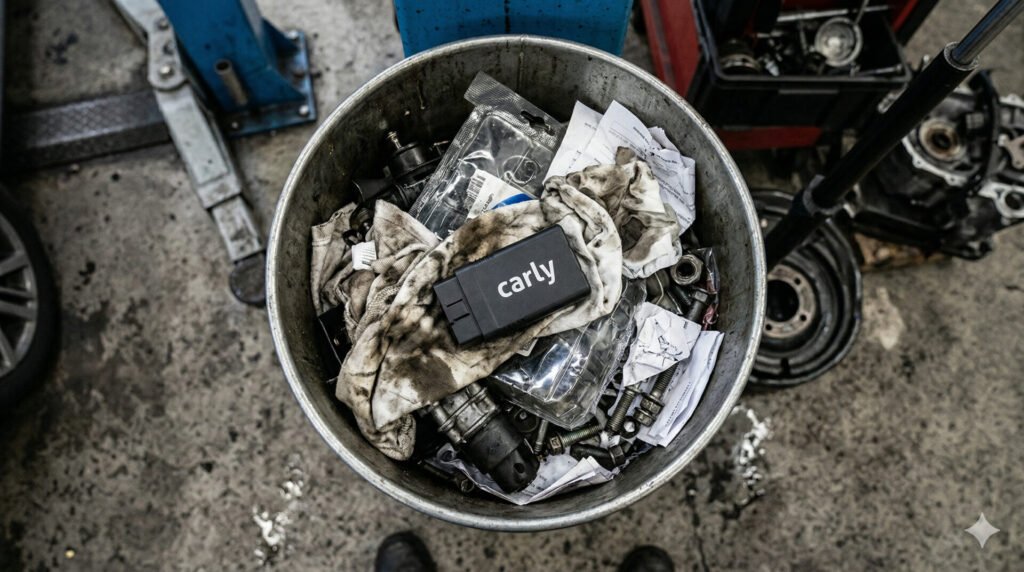
Furthermore, the Federation defended “upselling” as a duty of care. Identifying worn brakes or aged spark plugs during a vehicle health check is considered professional thoroughness. The IAAF concluded that the investigation relied on a “consumer-grade code reader” and lacked disclosure of the specific instructions given to the garages.
For more on industry standards, visit the IAAF website.