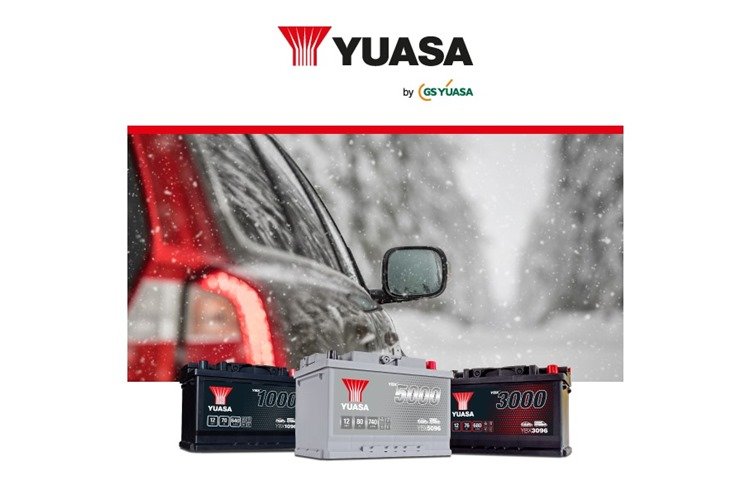
GS Yuasa has released technical guidance to address a common misconception regarding automotive battery reliability during the winter months. Many motorists assume that a battery which functioned correctly the previous day is guaranteed to start the vehicle the following morning.
The manufacturer clarified the following:
“My battery was fine yesterday, so it’ll be fine today” Reality: Cold weather can change that overnight.
As ambient temperatures drop, the chemical reactions within a lead-acid battery slow down, reducing the available power. A battery that is already weakened by age or internal degradation may function in mild weather but fail to provide sufficient voltage after a cold night.
The technical strain on batteries is further increased by several winter-specific factors:
- Electrical Demand: Frequent use of heaters, lights, demisters, and heated screens increases the load on the unit.
- Driving Cycles: Short journeys and stop-start driving patterns often prevent the alternator from returning the battery to a full state of charge (SOC).
- Internal Resistance: Cold temperatures increase the internal resistance of the battery, making it harder for the unit to accept a charge.
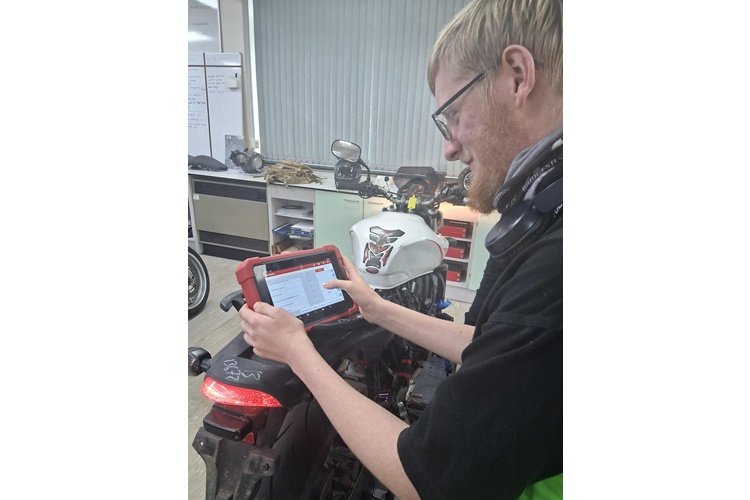
GS Yuasa recommends that workshops offer battery health checks to motorists with vehicles over three years old. Identifying a low state of health (SOH) or insufficient cold cranking amps (CCA) through a professional tester can prevent unexpected failures.